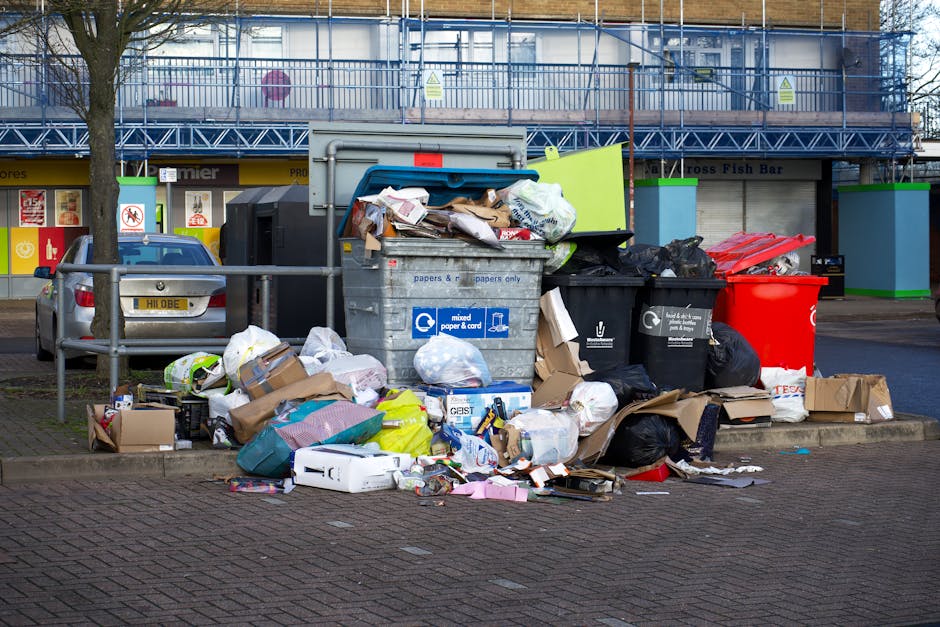
Same day rubbish collection for Covent Garden flats
If you live in a Covent Garden flat, you already know the drill: tight stairwells, awkward lifts, busy pavements, and not much room to leave a bag of rubbish "just for now". That is exactly why same day rubbish collection for Covent Garden flats matters. When waste starts blocking a hallway, a storage cupboard, or a tiny balcony, speed is not a luxury. It is relief.
Whether you are clearing out after a move, dealing with broken furniture, or simply trying to get your flat back under control before guests arrive, a fast, well-run collection can save time and a fair bit of stress. In this guide, we will walk through how the service works, when it makes sense, what to check before booking, and how to avoid the little mistakes that turn a quick job into a drawn-out one.
For readers who want a broader overview of related services, you may also find the site's waste removal and flat clearance pages useful alongside this article.
Table of Contents
- Why same day rubbish collection for Covent Garden flats matters
- How same day rubbish collection for Covent Garden flats works
- Key benefits and practical advantages
- Who this is for and when it makes sense
- Step-by-step guidance
- Expert tips for better results
- Common mistakes to avoid
- Tools, resources and recommendations
- Law, compliance, standards, and best practice
- Options, methods, and comparison table
- Case study or real-world example
- Practical checklist
- Conclusion
- Frequently asked questions
Why Same day rubbish collection for Covent Garden flats Matters
Covent Garden flats tend to come with real-world constraints that people outside central London sometimes underestimate. There may be narrow staircases, limited kerb space, shared entrances, porter rules, and neighbours who are not thrilled by noise at 7 a.m. or late at night. That means rubbish collection is not just about lifting items out of a property. It is about doing it neatly, quickly, and with minimal disruption.
Same day collection is especially useful when waste is creating a practical problem right now. Think of a hallway full of dismantled wardrobes, a builders' bag that has been sitting too long, or bulky furniture that needs to disappear before a tenancy handover. In those moments, waiting three days can feel like three weeks. Truth be told, it is often the difference between a flat feeling manageable and a flat feeling chaotic.
There is also a neighbourhood factor. Covent Garden is busy, and a bulky item left in a communal area can become an eyesore very quickly. If you are in a block of flats, speed helps keep access clear and reduces the chance of complaints from neighbours or building management. Nobody wants an old mattress doing a slow-motion tour of the landing.
For landlords, agents, tenants, and busy homeowners, fast collection is often about avoiding knock-on delays. A flat can be ready for cleaners, decorators, or a new occupant much sooner when waste leaves the building on the same day.
How Same day rubbish collection for Covent Garden flats Works
Most same day collections follow a simple pattern, though the details matter. You describe what needs removing, give a rough idea of volume, share access information, and confirm when the team can arrive. Then the collection is scheduled around practical things like parking, loading access, and any building restrictions.
In a flat, the access discussion is often the most important part. Is there a lift? Are there steps at the entrance? Can a vehicle stop nearby, or will the team need to wheel items a bit further? These questions are not just admin. They affect how long the job takes and whether the collection can really happen on the same day.
During the visit, the crew will usually assess what is being removed, confirm the final scope if needed, and then load the waste. Good operators work carefully through shared spaces, which is crucial in flats where corners are tight and the risk of scuffing walls is high. If you have ever tried to turn a sofa on a small landing, you will know exactly why this matters.
After collection, items are taken away for sorting, reuse, recycling, or disposal depending on what they are and what condition they are in. If you are dealing with mixed household waste, old furniture, or general clutter, it helps to be clear from the outset. The cleaner the brief, the smoother the day.
A quick note on timing
"Same day" usually means the collection happens within the same calendar day, but not always within an hour or two. If you need a very tight window, say so early. A good service can often work around realistic time constraints, but it is still subject to travel, traffic, and the shape of the job. Central London is central London, after all.
Key Benefits and Practical Advantages
The biggest benefit is obvious: speed. But the practical value goes deeper than that.
- Less clutter, fast: Useful when waste is blocking living space, a hallway, or a balcony.
- Better for move-out deadlines: Ideal when keys need returning or a flat needs to be handed over cleanly.
- Lower stress: You do not have to organise transport, borrow a van, or wrestle with heavy items yourself.
- More discreet: A planned collection is usually neater than several improvised trips through a communal entrance.
- Flexible for mixed loads: Good for old furniture, bagged rubbish, broken household items, or post-renovation debris.
There is another advantage people do not always mention: momentum. Once a flat starts to clear, everything else becomes easier. Cleaning feels simpler. Sorting feels simpler. Even deciding what to keep suddenly seems less dramatic. Funny how that works.
For residents who are dealing with furniture-heavy waste, it can be sensible to look at the site's furniture clearance and furniture disposal services too, especially if the items are bulky or awkward to move through a narrow stairwell.
Who This Is For and When It Makes Sense
Same day rubbish collection is not just for emergency clear-outs. It suits a lot of everyday Covent Garden situations.
- Tenants moving out: You have old items, bagged waste, or furniture to remove before checkout.
- Landlords and letting agents: A flat needs to be reset quickly between occupiers.
- Homeowners in a flat: You are decluttering, replacing furniture, or dealing with a sudden mess.
- Flat sharers: A shared space has become overloaded with unwanted stuff, and no one wants to be the last person carrying it out.
- Renovation projects: You need debris, packaging, or broken fixtures gone so the space can be used safely again.
It also makes sense when time pressure is external. Perhaps a concierge has asked for items to be removed. Perhaps the bin store is full. Perhaps the flat is going on the market and every room needs to look clean by tomorrow morning. These are the moments where speed is not just convenient, it is strategic.
If the job is broader than a simple rubbish collection, the related home clearance and house clearance services may be more suitable, particularly where there is a mixture of clutter, furniture, and general household contents.
Step-by-Step Guidance
If you want the smoothest possible same day collection, a little preparation goes a long way. Not much, just enough to avoid delays.
- List what needs removing. Be specific if you can. "One wardrobe, two chairs, four bin bags, and a broken shelf" is much better than "stuff from the bedroom".
- Check access carefully. Note stairs, lift size, entry codes, parking restrictions, and any building rules.
- Separate anything you want to keep. This sounds obvious, but in a small flat, similar-looking bags and boxes can get mixed up surprisingly easily.
- Take quick photos. Photos help the team understand the size and volume before arrival. Very handy, especially with awkward furniture.
- Clear a route to the items. A short, clear path reduces the chance of bumps and speeds everything up.
- Confirm the time window. Ask whether the team needs parking space or building access arranged in advance.
- Walk through the job on arrival. A five-minute chat can prevent a half-hour misunderstanding.
That is the basic flow. Keep it simple, keep it calm. There is no prize for making the process more complicated than it needs to be.
When the load includes office-style items or mixed business waste from a home workspace, the relevant office clearance and business waste removal pages may also be useful for context.
Expert Tips for Better Results
In our experience, the easiest jobs are the ones where the customer gives a clear picture from the start. A few small habits make a big difference.
- Measure bulky items if you can. A sofa that looks "average" in a photo can be a tight squeeze through a Covent Garden landing.
- Tell the team about fragile surroundings. Fresh paint, low ceilings, glass panels, polished floors - mention them all.
- Keep communal areas free where possible. If the building is busy, this helps the collection happen without awkward bottlenecks.
- Be realistic about same day timing. A morning call is more likely to secure a same day slot than a late afternoon request. Not always, but often.
- Ask how items will be handled. If you care about reuse and recycling, say so early.
One useful trick is to group items by type before the team arrives. Put furniture together, bagged waste together, and anything fragile or reusable separately. It sounds minor, yet it often shaves time off the job and reduces confusion. Small win, but a real one.
If sustainability matters to you, have a look at the site's recycling and sustainability page. It is a sensible next step if you want a service that thinks beyond simple loading and dumping.
Common Mistakes to Avoid
A rushed booking can still go well, but these are the classic problems that make life harder than it should be.
- Underestimating volume: What looks like "a few bags" can turn into a van-full once you actually stack it.
- Forgetting building restrictions: Shared entrances, concierge rules, or parking limits can derail the schedule.
- Mixing keep and remove piles: Easy mistake, especially when the flat is already half-packed.
- Leaving items scattered: If waste is spread across several rooms, the collection takes longer and the risk of damage rises.
- Assuming everything can go together: Some items need special handling. If you are unsure, ask first.
Another common issue is poor communication. The person booking and the person on site are not always the same. If you are arranging it for a tenant, a relative, or a colleague, make sure all the practical details are passed on. One missing code or wrong floor number can throw the whole thing off. Annoying, but avoidable.
Tools, Resources and Recommendations
You do not need specialist equipment for most flat clearances, but a few simple tools and habits can make a same day collection much easier.
- Basic tape measure: Helpful for checking whether furniture can fit through doors and lifts.
- Phone camera: Quick photos help with quotes and access planning.
- Strong bags or boxes: Best for loose waste, papers, and smaller clutter.
- Labels or sticky notes: Useful if you want to mark items to keep, donate, or remove.
- Simple floor plan in your head: Not fancy, just know where the items are and how the route works.
For more specialist situations, it helps to think in categories. If the job is mainly old sofas and tables, furniture-focused services are a strong fit. If it is a mixed residential clear-out with storage cupboards, loft overflow, and general clutter, a broader loft clearance or home clearance approach can be more efficient. If it is renovation debris, the builders waste clearance page is the better reference point.
One practical recommendation: do not wait until the last minute to think about access. In Covent Garden, a good plan for stairs, lifts, and parking is often worth more than another hour spent sorting through bags.
Law, Compliance, Standards, and Best Practice
Waste handling in the UK should be taken seriously, even when the job looks small. You do not need to be a compliance expert to make a sensible choice, but you should expect any collection service to work carefully, lawfully, and with proper attention to safety.
For householders and tenants, the key practical point is to use a service that can handle waste responsibly and avoid leaving rubbish in shared areas, on pavements, or anywhere it could create a nuisance or safety risk. For landlords and managing agents, it is also important to ensure clear access, safe lifting, and respectful use of communal space.
Best practice usually includes:
- proper separation of reusable, recyclable, and residual waste where feasible
- careful lifting and moving to protect people and property
- clear communication about what is being removed
- attention to building rules and neighbour access
- responsible disposal routes rather than shortcuts
If you want to understand a provider's approach to trust and conduct, pages such as insurance and safety, health and safety policy, and terms and conditions are worth reading. They help set expectations before anyone arrives at the door.
And yes, in a flat, even a tiny bit of sloppiness can become everyone's problem fast. Best to keep it tidy.
Options, Methods, and Comparison Table
There is more than one way to deal with rubbish in a Covent Garden flat. The right choice depends on volume, access, urgency, and how much manual effort you want to avoid.
| Method | Best for | Pros | Possible drawbacks |
|---|---|---|---|
| Same day rubbish collection | Urgent flat clear-outs, bulky items, sudden clutter | Fast, convenient, low hassle | Requires clear access and good information upfront |
| Scheduled collection | Non-urgent waste removal | More time to prepare and organise | Not ideal if the flat needs clearing immediately |
| Self-clearance | Very small loads and people with transport | Full control over timing | Time-consuming, physically awkward, parking may be tricky |
| Specialist clearance | Large furniture, mixed contents, heavier projects | Better for bigger, more complex jobs | May be more than you need for a simple bagged waste job |
For most flat-based jobs in Covent Garden, same day collection is the sweet spot when urgency and convenience matter more than anything else. If the job is mostly furniture, one of the more specific service pages may be a better match; if it is mixed waste, the broader waste removal route often fits nicely.
Case Study or Real-World Example
Picture a small two-bedroom flat near Covent Garden on a Friday afternoon. The tenant has a move-out inspection booked for the next morning, and the living room still has a dismantled bookcase, a few bagged items, and an old armchair that has become, frankly, part of the scenery. There is also a box of odds and ends tucked beside the kitchen door because nowhere else is left.
The practical problem is not just the waste itself. It is the timing. The cleaner needs access. The floor needs to be visible. The landlord wants the flat to feel ready. In that kind of situation, a same day collection can take the pressure off almost immediately.
What usually makes the difference is preparation. The customer sends photos, confirms the building access, and clears the route from the front room to the exit. When the team arrives, there is no hunting around for items, no guessing about what stays and what goes, and no awkward delay at the lift. The job feels calm. A bit rushed, maybe, but calm enough.
That is the value in a nutshell. Same day rubbish collection is not magic. It is just good organisation, decent communication, and a team that knows how to work in a tight London flat without turning the place upside down.
Practical Checklist
Use this quick checklist before you book or on the morning of collection.
- List every item that needs removing
- Separate items to keep from items to go
- Take photos of bulky or unusual waste
- Measure doorways, stairs, or lift access if needed
- Check parking and building entry details
- Tell the provider about fragile floors, walls, or fittings
- Make sure someone is available to confirm the load on arrival
- Keep the route to the items clear
- Ask about recycling or reuse options if that matters to you
- Read the relevant service and policy pages before confirming
Expert summary: In Covent Garden flats, same day rubbish collection works best when the job is clearly described, access is understood, and the flat is ready for a quick in-and-out visit. That simple trio saves time, protects the building, and keeps the whole process pleasantly uneventful.
Conclusion
Same day rubbish collection for Covent Garden flats is really about restoring breathing space fast. When space is tight and the clock is working against you, the right service can turn a stressful pile-up into a manageable task before the day is out.
The key is to prepare just enough: know what is going, understand access, and choose a service that handles flat-based collections carefully. Do that, and the process is usually smoother than people expect. A bit of planning upfront, then the clutter is gone and the flat feels like itself again. Nice, simple, done.
Get a free quote today and see how much you can save.
And if today feels a bit too full already, that is fair enough. Start with the first bag, the first chair, the first small step - the rest usually follows.
Frequently Asked Questions
What counts as same day rubbish collection for a Covent Garden flat?
It usually means waste is collected on the same day you enquire or book, subject to availability, access, and the size of the job. It is best for urgent clear-outs, bulky items, and last-minute flat changes.
Can same day rubbish collection work in a building with stairs and no lift?
Yes, often it can. The important thing is to give accurate access details so the team can plan for stairs, turns, and any extra time needed. Narrow stairwells are common in central London, so this is normal rather than unusual.
How do I know if my rubbish is suitable for collection?
If you are unsure, list what you have and describe it plainly. Mixed household waste, bagged rubbish, furniture, and general clutter are common. If the load includes unusual or specialist items, ask before booking so you do not get caught out on the day.
Is same day collection more expensive than booking ahead?
It can be, depending on timing, load size, and access. That said, the real cost is often the time and stress saved. If you want a better idea before committing, the pricing and quotes page is a sensible place to start.
Do I need to move the rubbish downstairs before the team arrives?
Not usually. Many services collect from inside the flat, which is the whole point. Still, it helps to clear a path and group items together if you can. A little prep makes the job easier for everyone.
What if I only have a few bags and one small item?
That can still be worth arranging, especially if the waste is causing clutter or you need it gone quickly. Small jobs are often the ones people leave too long because they seem harmless. Then suddenly the hallway is full again.
Can same day rubbish collection help before a tenancy check-out?
Absolutely. It is one of the most common reasons people book it. If a flat needs to be handed back empty and tidy, same day removal can prevent a last-minute scramble.
What should I do with furniture I do not want anymore?
Keep it separate if possible and mention it clearly when booking. Furniture is bulky, awkward in shared spaces, and often needs its own handling plan. The site's furniture clearance and furniture disposal pages are useful references.
How quickly can a team usually arrive?
That depends on the day, the route, and how full the schedule is. In practice, morning requests are often easier to fit into a same day window than late afternoon calls. Traffic in central London can also affect arrival times, so flexibility helps.
Is it better to choose flat clearance instead of rubbish collection?
If you are removing a full mix of contents, furniture, and clutter from a property, flat clearance may be the better fit. If the job is mainly waste and you need it cleared quickly, rubbish collection is usually the simpler option.
What if I am worried about recycling and disposal?
That is a good question to ask. Responsible handling matters. Look at the provider's approach to sorting and disposal, and read the recycling and sustainability information to understand how items may be processed.
Where can I find out more about the company before I book?
It is sensible to check the about us page and the relevant policy pages, especially if you want reassurance on safety, security, and how the service operates. A trustworthy provider should make that information easy to find.