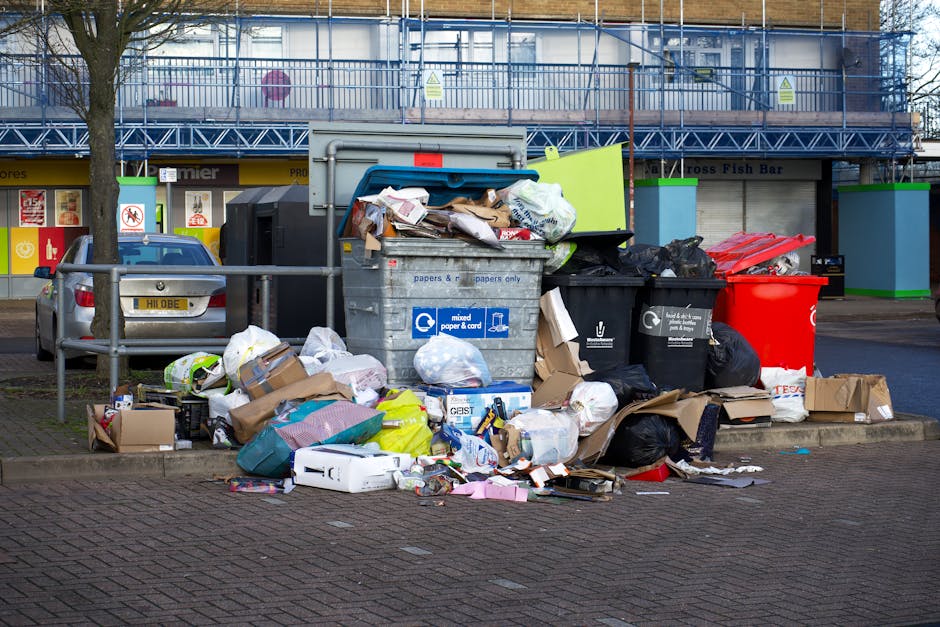
Garden Clearance in Covent Garden
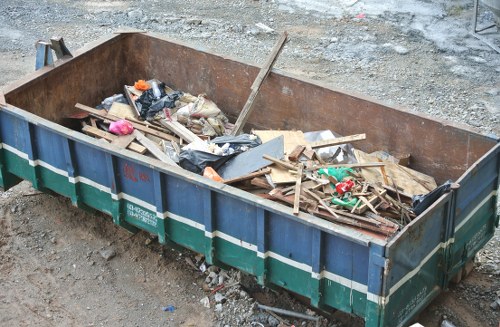
We provide garden clearance in Covent Garden for outdoor spaces that need a careful reset, whether that means removing bags of cuttings, lifting old planting waste, or clearing mixed garden debris after tidying and seasonal maintenance. Our service is built around practical removal of unwanted material, with attention to access, handling and separation of different waste types where that is useful. The aim is straightforward: leave the space ready for its next stage without turning the job into a drawn-out disruption.
If you need a clear and orderly clearance service for a courtyard, shared garden or private terrace, we can help with the collection and removal side of the work. We deal with common garden waste such as branches, hedge trimmings, soil-contaminated items, broken pots and general outdoor clutter. When you are ready, request a quotation and tell us what needs to go so the job can be scoped sensibly.
Because outdoor spaces vary so much, the most useful starting point is a simple description of the contents, access and any awkward items. That helps us judge the amount of loading, the likely sorting involved and whether the clearance is mainly green waste, mixed outdoor rubbish or a combination of both. For customers who want a smooth process, a short note about the area and the materials usually gives enough to prepare an accurate response. Clear the space, then decide what stays is often the easiest way to approach it.
What our garden clearance service covers
Garden clearance is not only about collecting obvious green waste. In practice, the work may include dismantling piles of cuttings, removing spent plants, clearing dead leaves, disposing of old compost bags and taking away damaged outdoor items that no longer have a use. We can handle mixed loads where softer garden waste sits alongside lightweight non-hazardous clutter, provided the items are suitable for removal under the same visit. The useful outcome is a cleaner, safer and more usable outdoor area.
In many gardens, the main challenge is not a single large item but a build-up of smaller bits and pieces. Broken planters, fallen branches, decayed fencing offcuts, weed-covered bags and overlooked rubbish can all add up to a heavier task than expected. Our approach is to keep the clearance orderly and practical, so the collected material can be moved efficiently and the remaining space is easier to work with. If you are comparing options, it helps to think about the actual load rather than just the size of the garden.
We also consider whether some materials need to be separated for disposal. Organic matter, reusable items and general waste do not always belong in the same category, and the right approach depends on what is present. That is why a well-described enquiry tends to produce the best result. For planned work, it is useful to note whether the area has steps, narrow side access, shared passageways or any other detail that affects removal. Good access information makes the clearance easier to organise.
Working with mixed outdoor waste
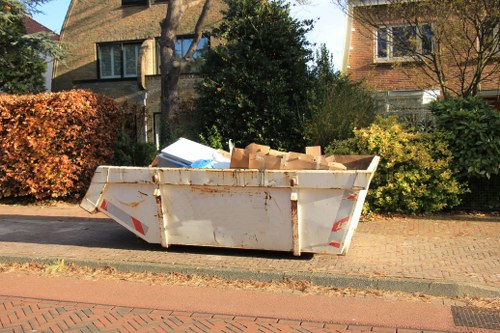
Many garden clearances in Covent Garden involve more than straightforward green waste. A neglected corner can contain pruning waste, dusty bags of soil, broken garden furniture, cracked plant containers and general rubbish left after previous tidying. Mixed loads need a measured approach because the work may involve sorting what can be lifted together and what should be kept separate. We plan the removal around the actual contents, not around a one-size-fits-all assumption about the garden.
That sort of mix is common in courtyards and compact urban outdoor spaces where storage is limited and items have been left outside for too long. The practical priority is to remove the material safely and leave the area more manageable. Where there are heavier or bulkier items, we account for handling rather than treating them as an afterthought. A sensible clearance should reduce the burden on the customer, not add extra steps or uncertainty.
Typical items that may appear in a mixed garden clearance include:
- hedge trimmings, branches and seasonal cuttings
- soil-filled planters and damaged pots
- old outdoor furniture and broken storage items
- bagged leaves, weeds and general garden debris
- light household clutter kept in external spaces
Choosing the right level of clearance
Some customers only need a quick uplift of a few bags after pruning, while others require a fuller clearance of a neglected space. The right level of service depends on how much material is present, how it is distributed and whether items are stacked, bagged or scattered. A small pile of cuttings is very different from a garden that has accumulated mixed waste across several corners. Matching the clearance to the actual condition of the space keeps the work proportionate.
It is also worth thinking about whether the job should focus purely on removal or whether a broader tidy-up is needed first. We can remove waste as found, but if there are separate piles for green matter, broken items and reusable materials, the process may be easier to direct. In practical terms, the clearer the layout of the job, the easier it is to plan the right handling and loading. That does not require a formal survey; it simply means describing the space accurately.
When arranging a quotation, two pieces of information are especially helpful: the approximate amount to be cleared and whether access is straightforward or limited. If you can also mention whether the garden is at the front, rear or on a roof terrace, that gives a better sense of the route for removal. Simple details save time and help ensure the response reflects the real work rather than a broad estimate.
Garden waste removal and responsible disposal

Our garden clearance work includes the removal of waste from the site and its transfer into the appropriate disposal stream. For organic garden material, that often means separating green waste from general rubbish where the contents make that sensible. For customers, this matters because it supports a tidier handover and avoids leaving loose material behind. The job should feel finished, not paused halfway through with piles waiting to be sorted later.
Responsible disposal is especially relevant when the load contains different kinds of outdoor waste in one space. Soil, cuttings, timber offcuts and old garden accessories do not all behave the same way, so a careful approach reduces confusion. We aim to remove what has been agreed and handle it in a way that suits the type of material being cleared. The result is a straightforward service built around practical removal rather than unnecessary complication.
Useful quotation points for this part of the job include the estimated volume, the presence of bagged material and whether the clearance includes heavy or awkward items. If there are any items that should remain on site, it is best to identify them clearly before the work begins. That way the clearance stays focused on what needs to leave. Tell us what stays as well as what goes, and the scope becomes much easier to define.
Access, loading and preparation
Garden clearance often depends as much on access as on volume. Narrow passages, shared entrances, upper-level terraces and enclosed courtyards can all affect how the work is carried out. When access is tight, the removal route may need extra care, especially if the space includes sharp turns, steps or fragile surfaces. The more clearly the route is described, the easier it is to prepare a suitable approach for the clearance.
Customers do not need to stage the area perfectly before asking for help, but it is useful to know whether the waste is already bagged, stacked or still spread around the garden. Those details affect the way the clearance is organised. If you have several types of material in different spots, a brief description of the layout helps the work progress in a sensible order. A quotation is usually more accurate when it reflects both the contents and the access conditions.
As a rule, the most helpful information is the kind that affects lifting and removal rather than decorative detail. Mention steps, gates, basement access, shared hallways or roof-level routes where relevant, and note anything unusually heavy or fragile. That sort of preparation advice belongs to the enquiry itself, not to a long checklist. Practical access notes are usually enough to turn a vague request into a clear job.
About Covent Garden
Covent Garden is one of central London’s best-known districts, shaped by a long mix of market history, performance, retail and dense urban streets. The name is closely associated with the former convent garden of Westminster Abbey, and the area later became famous for its fruit and vegetable market, which occupied the site for centuries before relocating in the 1970s. Today the piazza remains the focal point, with arcades, covered walkways and a streetscape that draws both daily visitors and theatre-goers. The district sits within the City of Westminster, close to the West End, and its pattern of narrow lanes and small squares reflects the layered growth of central London rather than a single planned scheme. Landmarks such as the Royal Opera House, the historic market buildings and the surrounding theatres give the area a strong cultural identity, while nearby streets like Long Acre and Floral Street connect retail and craft traditions with modern footfall. Even with that busy public life, the district contains quieter corners, including tucked-away courtyards and passageways that reveal older architectural details. The area’s architecture ranges from Georgian and Victorian façades to later commercial frontages, with many buildings adapted over time for shops, restaurants and performance spaces. Covent Garden also benefits from its position near other central landmarks and transport routes, making it part of a wider West End landscape where entertainment, commerce and heritage sit side by side.
Clearance for different types of outdoor spaces
Not every garden clearance looks the same. A compact courtyard may need careful movement of small loads through limited access, while a larger rear garden might involve repeated trips for cuttings, branches and mixed debris. Roof terraces can bring different considerations again, especially where materials need to be carried through shared areas. The work is best judged by the actual layout of the space, because the route out can be just as important as the waste itself.
We can adapt the clearance to the way the garden is used. A space that has become a storage point for old furniture and broken accessories needs a different approach from a garden that has simply gathered seasonal waste after trimming and planting. In each case, the objective is to remove the unwanted material without leaving a confusing aftermath. When the clear-up is planned around the type of space, the result is cleaner and more coherent.
For customers deciding what to include, it is often helpful to separate the project into obvious groups: green waste, damaged outdoor items, garden accessories and any general rubbish stored outside. That simple breakdown can make a quotation easier to understand and the job easier to complete. Group the waste by type where you can, and the clearance becomes much more straightforward to organise.
Planning a quotation for your garden clearance

A sensible quotation depends on a realistic picture of the job. That usually means knowing the kind of waste involved, the approximate amount and anything that makes the clearance more demanding, such as awkward access or heavy items. If the garden has both loose and bagged material, say so. If there are items you are unsure about, describe them as clearly as possible so they can be considered properly. The better the description, the more useful the quotation.
It can also help to explain whether the clearance is a one-off tidy-up or part of a larger move, renovation or seasonal maintenance plan. This does not create a different service, but it does place the work in context. For example, a garden that is being prepared for landscaping may need fuller removal than one that simply needs light cutting waste taken away. When the scope is clear, the response can be more relevant and less speculative.
If you are comparing options, keep the focus on what is actually in the space rather than on guesswork about how long it might take. You do not need to write a long brief; a concise description often works best. Ask for a quotation once you know the contents and access, and include any items you want left untouched so the scope remains accurate.
Keeping the clearance efficient
Efficiency in a garden clearance comes from handling the work in a sensible order. Loose cuttings may be gathered first, followed by heavier material or items that need more care when lifted. In a mixed clearance, it is often best to start with the parts that create the most obstruction, because clearing those opens up the rest of the space. That approach keeps the job moving and reduces the chance of repeated handling.
Another part of efficiency is knowing what not to move. If some items are due to stay on site, keeping them separate from the removal pile helps prevent confusion. Likewise, if certain items are fragile, valuable or awkwardly placed, it is worth identifying them at the start. The aim is not to overcomplicate the process but to make the clearance orderly enough that the final space feels properly reset rather than partially treated.
When you are ready to proceed, use the details you already have to outline the work in a short enquiry. Mention the location of the garden, the kind of waste, and any access notes that matter. That gives a practical starting point without dragging you into unnecessary admin. Make the scope clear once, and the rest of the conversation is usually easier.
Garden clearance support for homes and properties

Our garden clearance service is suitable for many kinds of property, from homes with compact outdoor areas to places where the garden has accumulated mixed waste over time. The work is centred on removing unwanted material in a way that leaves the area easier to use and easier to maintain. Whether the clearance is prompted by a seasonal tidy-up or a more substantial reset, the service remains focused on practical removal and sensible handling.
If your outdoor space contains a combination of green waste, damaged items and general clutter, it is worth treating the job as one coherent clearance rather than several unrelated tasks. That gives a better basis for planning and avoids overcomplicating the removal. We can respond to the specific contents of the space and the conditions on site, which is often more useful than trying to fit the job into a generic description.
For a straightforward next step, send through a brief description of the waste and the access, then ask for a quotation. If you want to move ahead, that is the point to do it. Request your quote and let us know what your garden needs cleared so we can respond on the right basis.