Comprehensive Guide to Business Waste Removal in Covent Garden
Understanding Business Waste Removal
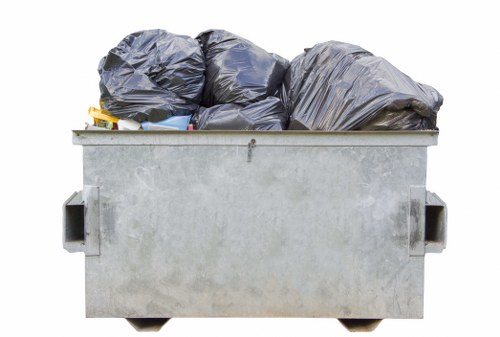
Business waste removal is a critical aspect of maintaining a clean and efficient workspace. In Covent Garden, where commercial spaces range from bustling retail shops to trendy restaurants, managing waste effectively ensures not only compliance with local regulations but also contributes to environmental sustainability.
Efficient waste management minimizes the risk of health hazards, enhances the aesthetic appeal of your business premises, and promotes a positive image to customers and partners. Whether you're a small boutique or a large office, understanding the nuances of business waste removal can lead to significant benefits.
Covent Garden, being a vibrant commercial hub, presents unique challenges and opportunities for businesses when it comes to waste disposal. The dense foot traffic and high turnover rates necessitate a robust waste management system that can handle large volumes efficiently.
Types of Business Waste
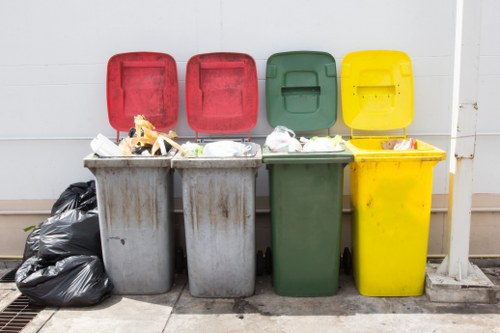
Businesses generate various types of waste, each requiring specific handling and disposal methods. The primary categories include:
- General Waste: Includes non-recyclable materials such as food scraps, paper products, and other everyday items.
- Recyclable Waste: Materials like cardboard, glass, metals, and certain plastics that can be reprocessed.
- Hazardous Waste: Items that are dangerous to handle or dispose of, including chemicals, batteries, and electronic waste.
- Organic Waste: Biodegradable materials, primarily food waste, which can be composted.
Proper segregation and disposal of these waste types are essential for environmental compliance and operational efficiency. Covent Garden businesses must adhere to local regulations to avoid fines and support sustainability initiatives.
Implementing a structured waste management plan not only helps in reducing environmental impact but also can lead to cost savings by optimizing waste collection and recycling processes.
Choosing the Right Waste Removal Service
Selecting a reliable waste removal service in Covent Garden is pivotal for seamless business operations. Consider the following factors when making your choice:
- Service Range: Ensure the provider offers a comprehensive range of services tailored to your business needs.
- Compliance: The service should adhere to all local waste disposal regulations and possess necessary certifications.
- Environmental Responsibility: Opt for services that prioritize recycling and sustainable disposal methods.
- Flexibility: The ability to adjust collection schedules based on your business requirements is crucial.
- Reputation: Research customer reviews and testimonials to gauge service quality.
In Covent Garden, it's beneficial to partner with local waste removal companies familiar with the area's specific challenges and regulations. This local expertise can ensure prompt and efficient waste management tailored to your business environment.
Additionally, consider the scalability of the service to accommodate your business growth and evolving waste management needs.
Implementing an Effective Waste Management Plan
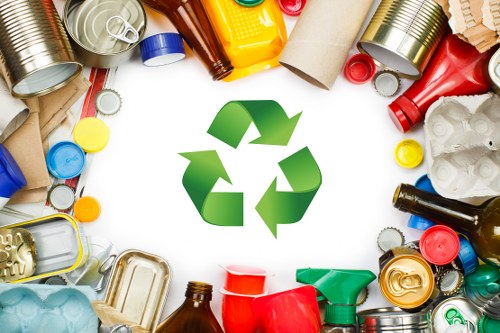
Developing a strategic waste management plan can streamline your operations and enhance sustainability efforts. Key steps include:
- Audit Your Waste: Analyze the volume and types of waste your business generates to identify areas for improvement.
- Set Clear Goals: Define objectives such as reducing waste volume, increasing recycling rates, or achieving specific sustainability certifications.
- Employee Training: Educate your staff on proper waste segregation and disposal practices to ensure compliance and efficiency.
- Monitor and Review: Regularly assess the effectiveness of your waste management strategies and make necessary adjustments.
- Engage with Stakeholders: Involve employees, suppliers, and customers in your waste reduction initiatives to foster a collective effort.
By implementing these strategies, businesses in Covent Garden can achieve significant improvements in waste management, leading to cost savings and a stronger commitment to environmental responsibility.
Continuous evaluation and adaptation of your waste management plan are essential to address the dynamic nature of business operations and regulatory requirements.
Benefits of Professional Waste Removal Services
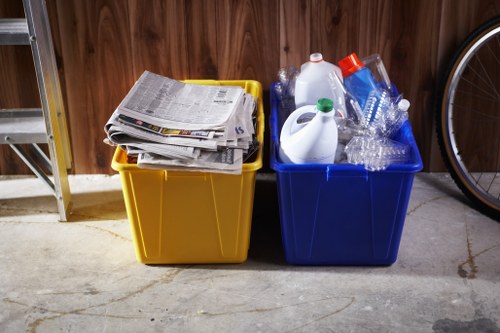
Engaging professional waste removal services offers numerous advantages for businesses in Covent Garden:
Efficiency and Reliability:Professional services ensure timely and efficient waste collection, minimizing disruptions to your business operations. They have the expertise and resources to handle waste disposal effectively.
Cost-Effective Solutions:Outsourcing waste management can lead to cost savings by reducing the need for in-house resources and optimizing waste disposal processes.
Environmental Compliance:Professional waste removal companies are well-versed in local regulations and ensure that your business adheres to all environmental standards, avoiding potential fines and enhancing your sustainability profile.
Access to Advanced Technologies:They utilize the latest technologies and equipment for waste processing and recycling, contributing to more effective waste management and reduced environmental impact.
Focus on Core Business:By delegating waste management responsibilities to professionals, you can concentrate on your core business activities, improving overall productivity and performance.
Investing in professional waste removal services is a strategic decision that can yield long-term benefits for your business, both operationally and environmentally.
Environmental Impact and Sustainability
Effective business waste removal plays a significant role in promoting sustainability in Covent Garden. Proper waste management reduces landfill use, conserves natural resources, and lowers greenhouse gas emissions.
Businesses can adopt several sustainable practices to enhance their waste management efforts:
- Reduce: Minimize waste generation by optimizing resource use and streamlining operations.
- Reuse: Implement strategies to reuse materials and products within the business.
- Recycle: Increase recycling rates by segregating recyclable materials and partnering with recycling facilities.
- Compost: Utilize composting for organic waste to create valuable soil amendments.
Covent Garden businesses that prioritize sustainable waste management not only contribute positively to the environment but also enhance their brand reputation and appeal to eco-conscious consumers.
Adopting green waste management practices aligns with global sustainability goals and positions your business as a responsible and forward-thinking entity in the market.
Cost Management and Waste Removal
Effective waste removal strategies can significantly impact your business's bottom line in Covent Garden. By optimizing waste management processes, businesses can reduce costs associated with waste disposal, regulatory fines, and operational inefficiencies.
Key areas to focus on for cost management include:
- Waste Auditing: Conduct regular waste audits to identify areas where waste generation can be reduced.
- Efficient Collection Schedules: Optimize waste collection schedules to match your business's waste production patterns, avoiding over-collection and unnecessary expenses.
- Recycling Programs: Implement comprehensive recycling programs to divert waste from landfills, often resulting in lower disposal costs and potential revenue from recyclable materials.
- Employee Engagement: Encourage employees to participate in waste reduction initiatives, fostering a culture of sustainability that can lead to significant cost savings.
- Partner with Reputable Services: Collaborate with waste removal companies that offer competitive pricing and tailored solutions to meet your budgetary constraints.
By integrating these cost-effective waste management practices, Covent Garden businesses can achieve financial savings while maintaining high standards of cleanliness and environmental responsibility.
Strategic waste management not only reduces expenses but also enhances operational efficiency, contributing to overall business success.
Regulatory Compliance in Waste Management
Compliance with local and national waste management regulations is imperative for businesses operating in Covent Garden. Non-compliance can result in hefty fines, legal issues, and damage to your business's reputation.
Key regulatory aspects to consider include:
- Waste Classification: Properly categorize waste streams to ensure they are handled according to specific disposal guidelines.
- Licensing and Permits: Obtain necessary licenses and permits for waste collection, transportation, and disposal activities.
- Record-Keeping: Maintain accurate records of waste generation, disposal methods, and recycling efforts to demonstrate compliance during inspections.
- Training and Education: Provide regular training to employees on regulatory requirements and best practices in waste management.
- Environmental Assessments: Conduct periodic environmental impact assessments to identify and mitigate potential waste-related risks.
Staying informed about updates to waste management laws and regulations is crucial for ongoing compliance. Partnering with professional waste removal services can help navigate the complex regulatory landscape, ensuring your business meets all legal obligations.
Proactive compliance not only avoids penalties but also reinforces your commitment to responsible business practices.
Technology and Innovations in Waste Removal
The waste management industry is continuously evolving, with new technologies and innovations enhancing efficiency and sustainability. Businesses in Covent Garden can leverage these advancements to improve their waste removal strategies.
Notable technological innovations include:
- Smart Waste Bins: Equipped with sensors, these bins monitor waste levels in real-time, enabling optimized collection schedules and reducing unnecessary pickups.
- Automated Sorting Systems: Advanced machinery can sort recyclable materials more accurately and efficiently, increasing recycling rates and reducing contamination.
- Waste-to-Energy Technologies: These systems convert waste into energy, providing a sustainable disposal method while generating power.
- Data Analytics: Analyzing waste generation data helps businesses identify trends, optimize waste management processes, and implement targeted reduction strategies.
- Mobile Applications: Apps facilitate better communication and coordination between businesses and waste removal services, streamlining scheduling and reporting.
Adopting these technologies can enhance the effectiveness of your waste management practices, leading to improved operational efficiency and environmental benefits.
Staying abreast of industry innovations ensures your business remains competitive and committed to sustainable waste removal practices.
Case Studies: Successful Waste Management in Covent Garden
Several businesses in Covent Garden have successfully implemented effective waste removal strategies, serving as exemplary models for others to follow.
Retail Store A: By partnering with a local waste removal service, Retail Store A streamlined its waste collection process, reducing waste volume by 30% through improved recycling programs and employee training initiatives.
Restaurant B: Implementing a comprehensive composting system allowed Restaurant B to divert organic waste from landfills, resulting in cost savings on waste disposal fees and a positive environmental impact.
Office C: Office C adopted smart waste bin technology, optimizing collection schedules and reducing waste management costs by 20%. The data collected also provided insights for further waste reduction strategies.
These case studies highlight the tangible benefits of proactive waste management, including cost savings, regulatory compliance, and enhanced sustainability efforts.
Businesses in Covent Garden can draw inspiration from these examples to develop and refine their own waste removal strategies, achieving similar success in their operations.
Future Trends in Business Waste Removal
The future of business waste removal in Covent Garden is poised for significant advancements driven by technological innovations and increasing environmental awareness.
Emerging trends include:
- Circular Economy Models: Businesses are moving towards circular economy practices, focusing on reducing waste generation, reusing materials, and recycling products to create a closed-loop system.
- Increased Automation: Automation in waste sorting and processing will enhance efficiency, reduce labor costs, and improve accuracy in recycling efforts.
- Blockchain Technology: Utilizing blockchain for tracking waste streams can ensure transparency, accountability, and compliance in waste management processes.
- AI and Machine Learning: These technologies can predict waste generation patterns, optimize collection schedules, and enhance decision-making in waste management.
- Sustainable Packaging: Businesses are increasingly adopting eco-friendly packaging solutions to minimize waste and support sustainable practices.
Adapting to these trends will enable Covent Garden businesses to stay ahead in waste management practices, fostering sustainability and operational excellence.
Embracing future trends ensures that your business remains resilient and proactive in addressing the evolving challenges and opportunities in waste removal.
Conclusion
Effective business waste removal in Covent Garden is essential for maintaining a clean, compliant, and sustainable business environment. By understanding the types of waste, choosing the right removal services, implementing strategic waste management plans, and staying informed about regulatory requirements and technological advancements, businesses can achieve significant benefits.
Investing in professional waste removal services not only enhances operational efficiency but also demonstrates a commitment to environmental responsibility, which can positively impact your business's reputation and bottom line.
Don't let waste management challenges hinder your business success. Contact us today to discover tailored waste removal solutions that meet your unique needs and propel your business towards a sustainable future.
Book your service now and take the first step towards efficient and environmentally responsible waste management in Covent Garden.